

Tooth Extractions in Houston, TX
Needing a tooth extraction can feel stressful. When a tooth is badly damaged, infected, or causing problems for the teeth around it, removing it may be the most practical way to protect your oral health. At New Smiles Dental Implant Center, we offer simple, surgical, and wisdom tooth extractions in Houston, TX, as part of our oral surgery services.
We’ll talk about what’s happening, your choices and walk you through each step so you’re ready before treatment begins. IV sedation can be a choice for surgical procedures, depending on the treatment and your health.
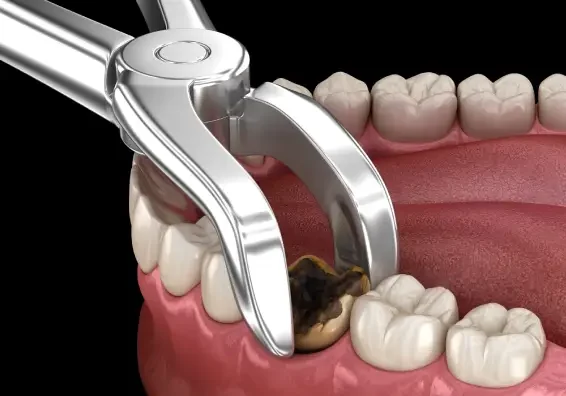
Types of Tooth Extractions We Offer
The type of extraction required depends on the position of the tooth, its roots, and how much of it is visible above the gumline. Once we’ve reviewed your dental exam and X-rays, we'll recommend the best approach for your situation and what you can expect.
Simple Extractions
A simple extraction is used for a tooth that's visible above the gumline and can be loosened and removed with standard instruments. The area is numbed with local anesthetic, so you should feel pressure but not sharp pain. Many simple extractions are completed in a short appointment, though timing varies.
Surgical Extractions
A surgical extraction is more involved. It's typically needed when a tooth has broken off at the gumline, hasn't fully emerged, has curved or unusually shaped roots, or is firmly anchored in the bone.
Your dentist may make a small incision in the gum, remove some bone, or divide the tooth into sections so it can be removed more safely. Dissolvable stitches may be placed afterward to support healing. IV sedation may be available for surgical extractions. If you choose it, we'll review how to prepare, including fasting guidelines and arranging a ride home.
Wisdom Teeth Removal
Wisdom teeth often cause problems because there isn’t enough room for them. They can become impacted (trapped beneath the gum or bone), grow in at an angle, or only partly emerge, making them harder to clean and more prone to infection or decay.
Not everyone has problems with their wisdom teeth, and they don't always need to be removed. If we recommend it, we’ll explain the reason based on your digital X-rays and symptoms.
Common Reasons for Tooth Extractions
Dentists prefer to save natural teeth whenever possible, but sometimes the best option is to remove them. Common reasons for removal are:
Decay or damage so severe that it cannot be repaired with a filling, crown or root canal
The tooth is loosened by severe gum disease
Infection not responding to other treatment.
Broken or fractured tooth (usually below the gum line)
Problematic or impacted wisdom teeth
Crowding – where a tooth may have to be extracted as part of the orthodontic treatment
Preparing for dentures or other restorative treatment
Not every damaged tooth needs to be removed. We'll review your exam and X-rays first and talk through whether saving the tooth is a realistic option.
What to Expect at Your Visit
Your first visit typically includes a consultation, where we go over your health history, examine the area, and take X-rays so we can see the roots of the tooth and the bone around it. If you are considering sedation, we’ll discuss this with you. The area is numbed before the procedure, and if you've chosen sedation, it's administered at this point.
You will likely feel some pressure and movement during the extraction, but no sharp pain; if you do, please tell us straight away. Before you go, we’ll tell you how to care for the extraction site.
Need Dental Appointment?
Recovery and Aftercare
Healing varies from person to person. Simple extractions usually involve less recovery than surgical extractions or wisdom tooth removal. General guidelines may include:
Gently biting on gauze to stop bleeding
Avoiding straws, spitting and smoking that can dislodge the blood clot
Soft foods and, initially, avoiding very hot, crunchy or spicy foods
Applying ice packs to help control swelling
Taking medication as directed
Resting for the remainder of the day and following your dentist's advice about when to resume normal activities
Many people return to normal activities within a few days, though complex cases may take longer. Occasionally, the blood clot in the socket becomes dislodged or dissolves too early, a condition known as dry socket. It can cause worsening pain a few days after the procedure. Contact our office if you notice dry socket symptoms or any of the following:
Bleeding that doesn't subside with pressure
Pain that worsens instead of improving
Fever or swelling that increases after the first few days
Signs of infection, an unpleasant taste, or drainage
Replacing a Missing Tooth After Extraction
After an extraction, it's important to plan for what comes next. Missing teeth can affect chewing, speech, and the position of nearby teeth over time. Depending on the tooth, options may include dental implants or dentures.
In some cases, a bone graft at the time of extraction may help preserve the area for a future implant. We can talk through these choices during your visit, and there's no need to decide right away.
Explore More Services
Frequently Asked Questions

Schedule a Consultation
If a tooth is hurting, damaged, or causing concern, we can help you understand your options for tooth extractions in Houston, TX. Call us today to schedule an appointment.