

Bone & Gum Grafting in Houston, TX
Teeth get most of the attention, but they rely on two things you rarely see: the bone that anchors them and the gum tissue that protects their roots. When either one breaks down, the consequences can include loose teeth, sensitivity, or trouble placing an implant. At New Smiles Dental Implant Center, we offer bone and gum grafting in Houston, TX, to help treat these problems.
Bone Grafting vs. Gum Grafting
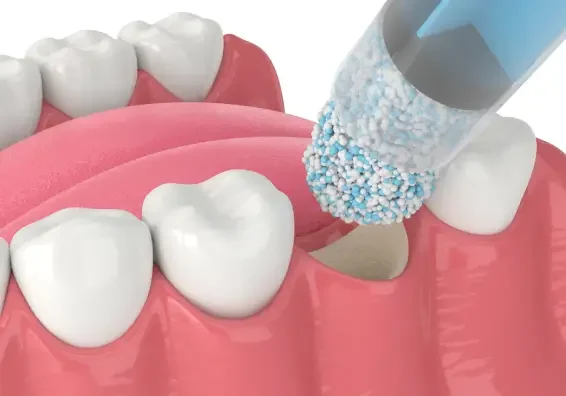
Bone grafting adds bone material to an area where the jawbone has been lost or is too thin. It’s most often done to prepare for dental implants, to preserve the site after a tooth is removed, or to rebuild bone damaged by gum disease.
Gum grafting adds tissue to an area where the gums have receded. It’s done to cover exposed roots, protect against further recession, and, in some cases, improve how the gumline looks.
You may need one, the other, or both, depending on what your exam shows.
Causes of Bone Loss
Your jawbone is kept strong in part by the stimulation it gets from your teeth. When a tooth is lost, the bone underneath can begin to shrink over time. Bone can also be lost because of:
Gum disease (periodontitis), which breaks down the bone around teeth.
Infection around a tooth root.
Injury or trauma.
Long-term denture wear.
Tooth extraction (the bone can shrink after a tooth is removed, especially if the site isn’t preserved).
Who Might Need a Bone Graft
Bone grafting may be recommended if you:
Want a dental implant, but your jaw doesn’t have enough bone to hold it securely.
Are having a tooth extracted and want to preserve the bone for a future implant (often called socket or ridge preservation).
Have lost bone around your teeth from gum disease.
Have been missing teeth for a long time and notice your jaw has changed shape.
Not everyone who wants an implant needs a graft. Some patients have enough bone already, and some can have an implant placed at the same time as the graft. Advanced imaging and an exam can help show which category you fall into.
How Bone Grafting Works
The graft material serves as a scaffold. Over time, your body’s own bone cells can grow into and around it, gradually replacing it with natural bone. Graft material may be your own bone, donor bone, animal-derived (usually bovine) bone, or a synthetic material. We’ll tell you which option we recommend for your case and why. Here’s how a typical bone grafting visit would go:
Numbing: We numb the area to help keep you comfortable. If you’re anxious about the procedure, tell us beforehand.
Preparing the Site: We access the area where bone is needed and clean out any infected tissue or debris.
Placing the Graft: The graft material is placed, usually covered with a protective membrane, and the gum tissue is stitched closed.
Healing: Over the following months, new bone can form. How long this takes depends on the size of the graft and your overall health.
Because healing varies, we’ll give you a realistic timeline before we start. If an implant is part of your plan, we’ll explain when it can be placed.
Need Dental Appointment?
Causes of Gum Recession
Gum recession is common, and it usually happens slowly. Common causes include:
Gum disease.
Brushing too hard or with a stiff-bristled brush.
Naturally thin gum tissue, which can run in families.
Teeth grinding or clenching (a possible contributing factor).
Teeth that are crooked or out of alignment.
Past orthodontic treatment, in some cases.
Tobacco use.
Signs You May Need a Gum Graft
Teeth that look longer than they used to.
Roots that are visible or feel rough near the gumline.
Sensitivity to hot, cold, or sweet foods.
A notch or groove near the gumline.
Gums that keep pulling back, even with good brushing habits.
Receding gums generally don’t grow back on their own. A mild case may only need monitoring and better home care, while more significant recession may benefit from a graft. Gum disease is often a factor, so we may recommend treating it first before grafting.
How Gum Grafting Works
In a gum graft, healthy tissue is placed over the exposed root and secured so it can heal into place. The tissue can come from the roof of your mouth or from donor tissue, depending on what’s best for your situation. A typical gum grafting visit includes:
Numbing: The treated area and the donor site, if tissue is taken from your mouth, are numbed.
Preparing the Area: The exposed root is cleaned and prepared so the graft can heal well.
Placing the Graft: The tissue is positioned over the recession and stitched in place.
Healing: The graft gradually integrates with your gum tissue over the following weeks.
A graft can help protect exposed roots, may reduce sensitivity, and can help keep recession from progressing. How much root coverage you get depends on the individual case, and we won’t promise a specific result.
What Recovery Feels Like
Recovery is different for each procedure, but a few things apply to both: expect some soreness and swelling, follow your aftercare instructions closely, and avoid smoking, which can interfere with healing.
After Bone Grafting
Mild to moderate swelling and soreness are common for several days.
You may be advised to stick to soft foods and avoid chewing near the site.
Some small graft particles may come loose during the first days, which is normal.
Follow-up visits let us check how the bone is healing.
After Gum Grafting
If tissue was taken from the roof of your mouth, that area may feel sore, similar to a mild burn, for one to two weeks, sometimes longer.
Soft, cool foods are usually easiest at first.
You’ll need to brush gently around the area, and we’ll show you how.
Avoid pulling on your lip to look at the graft, which can disturb the stitches.
Our team will also give you aftercare instructions for your specific procedure. Call us if your pain gets worse instead of better, or if you notice significant swelling, fever, or bleeding that won’t stop.
When You Might Need Both
Sometimes the two procedures go hand in hand. For example, a patient with advanced gum disease may have lost both bone and gum tissue around a tooth. Another patient preparing for an implant may need bone added to the jaw and thicker gum tissue around it to support its health. Because we offer implant dentistry, oral surgery, and periodontal services under one roof, you can often plan all of this in one place.
Risks Worth Knowing About
Like any surgical procedure, grafting carries risks, including infection, bleeding, swelling, and the possibility that a graft doesn’t integrate as hoped. These risks vary by procedure and location (for example, upper jaw grafts can involve the sinus). We’ll go over these with you before you decide on treatment.
Explore More Services
Frequently Asked Questions
Schedule Your Appointment
If you’ve been told you don’t have enough bone for an implant, or you’ve noticed your gums pulling back, we offer bone and gum grafting in Houston, TX. Call us today to book your appointment.